What budget should I plan for a reliable robotic mower in 2026?+
A capable wired model for a flat garden up to 800 m² starts around €700. For wireless navigation, plan for €1,800 minimum, and €2,800 to €4,500 on large gardens or steep slopes. Below €500, reliability drops sharply on wear parts.
Should I still choose a robot with a perimeter wire?+
Yes, on simple flat gardens up to 1,000 m², the wire remains the most stable and cheapest long-term option. Beyond that, or as soon as separate zones are involved, RTK or AI vision become more relevant despite the higher cost.
What is the actual difference between RTK and AI vision?+
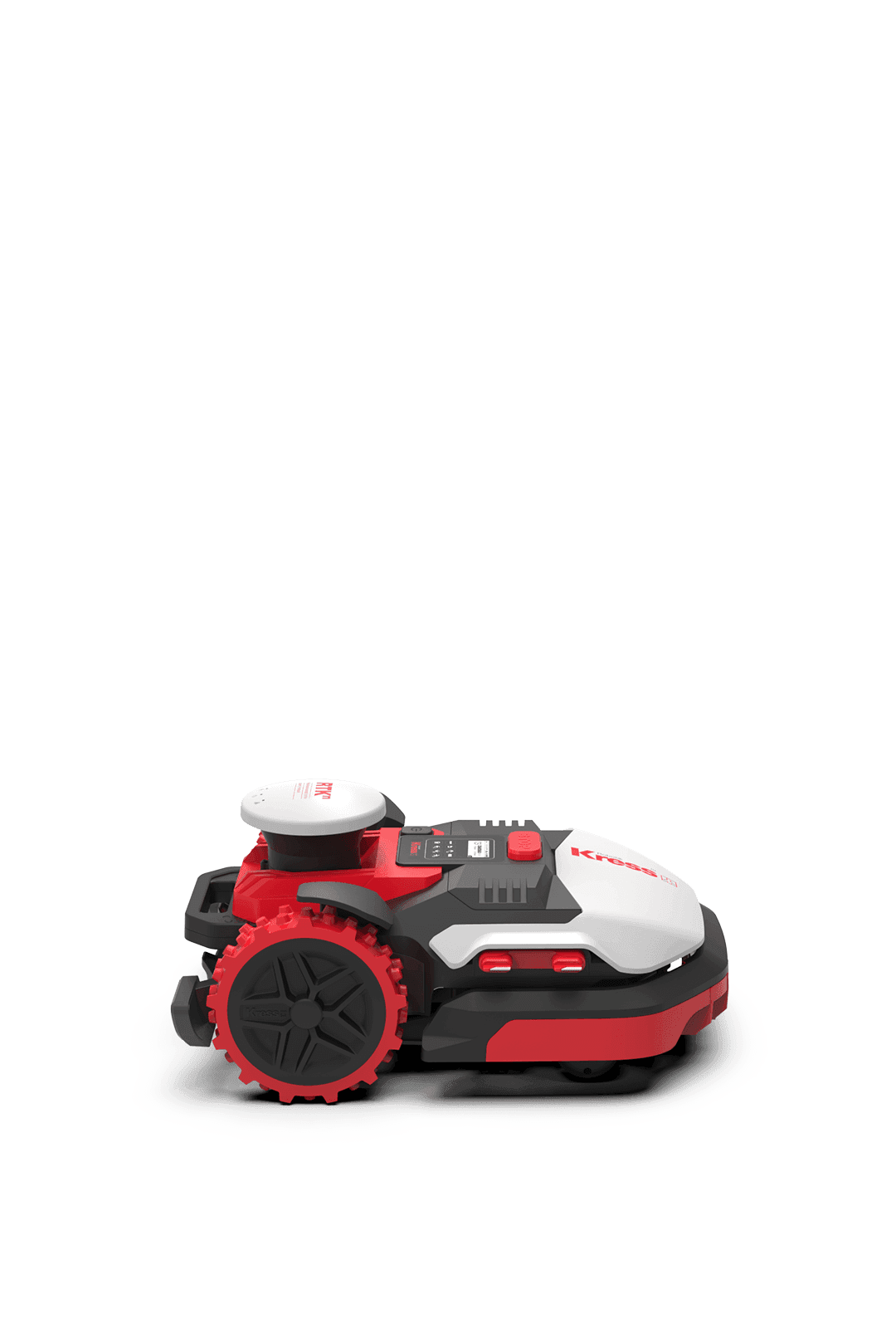
RTK uses a reference antenna to position the robot to the centimetre, ideal on open ground. AI vision relies on cameras and recognises obstacles and zones, better suited to wooded or complex gardens. Several 2026 models combine both.
Are robotic mowers really quiet for the neighbours?+
Recent models run between 55 and 66 dB at one metre, the level of a normal conversation. On adjoining gardens, prefer models under 60 dB, scheduled during the day rather than at dawn.
How long does a quality robotic mower last?+
On established industrial brands, useful life sits at eight to twelve years, provided batteries and blades are replaced on the recommended schedule. On entry-level brands, the average drops to four to six years.
What about rain and storms?+
Every model tested is rated IPX4 minimum, which covers moderate rain. Most have a rain sensor that brings the robot back to the base. For very humid regions, IPX5 and an optional shelter limit corrosion over time.
Are subscriptions mandatory on 2026 models?+
On premium RTK models, some cloud features (remote mapping, AI detection) are sometimes locked behind a subscription. The newsroom systematically flags these recurring fees in the in-depth reviews. Several European brands remain fully subscription-free.
What is the most reliable robotic mower in 2026?+
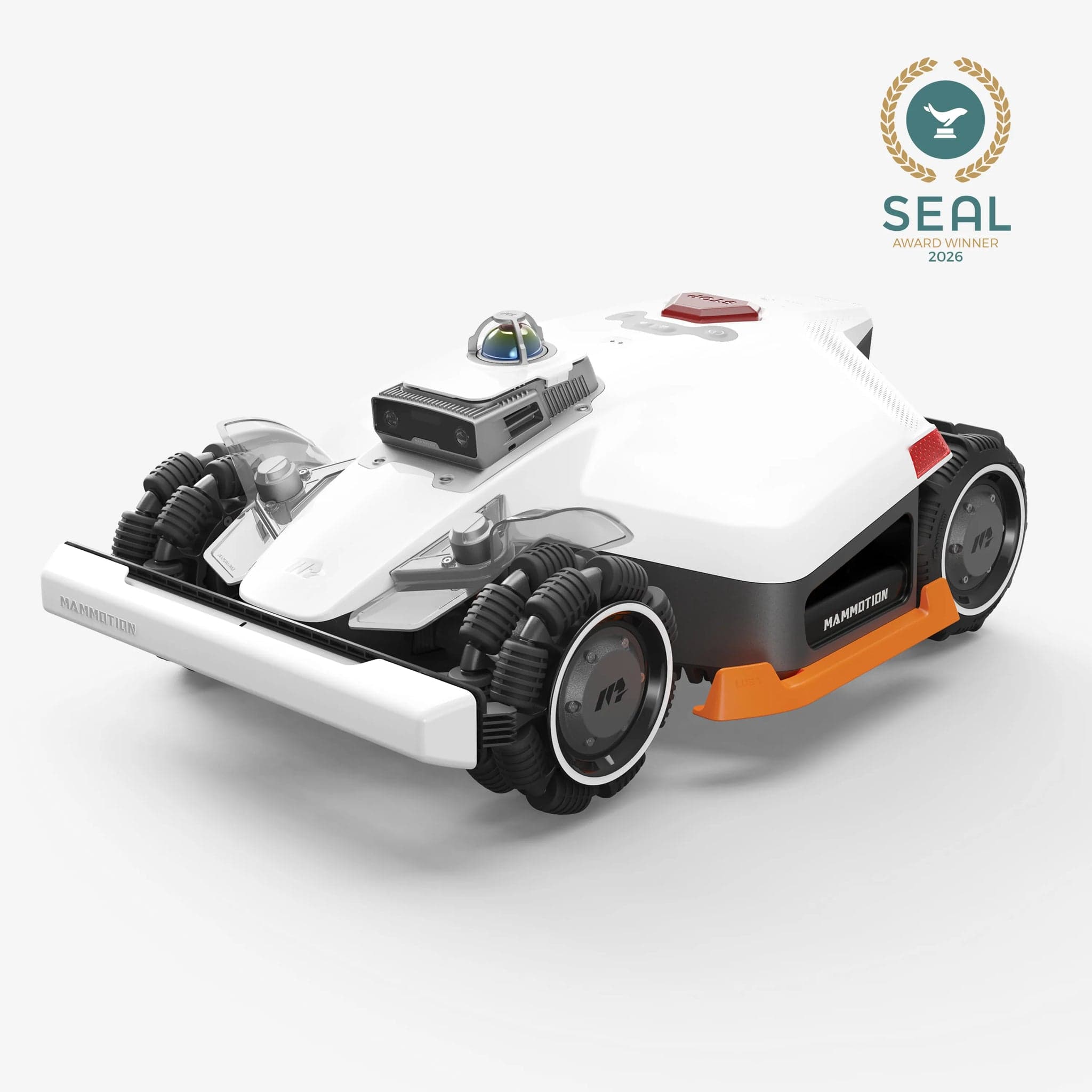
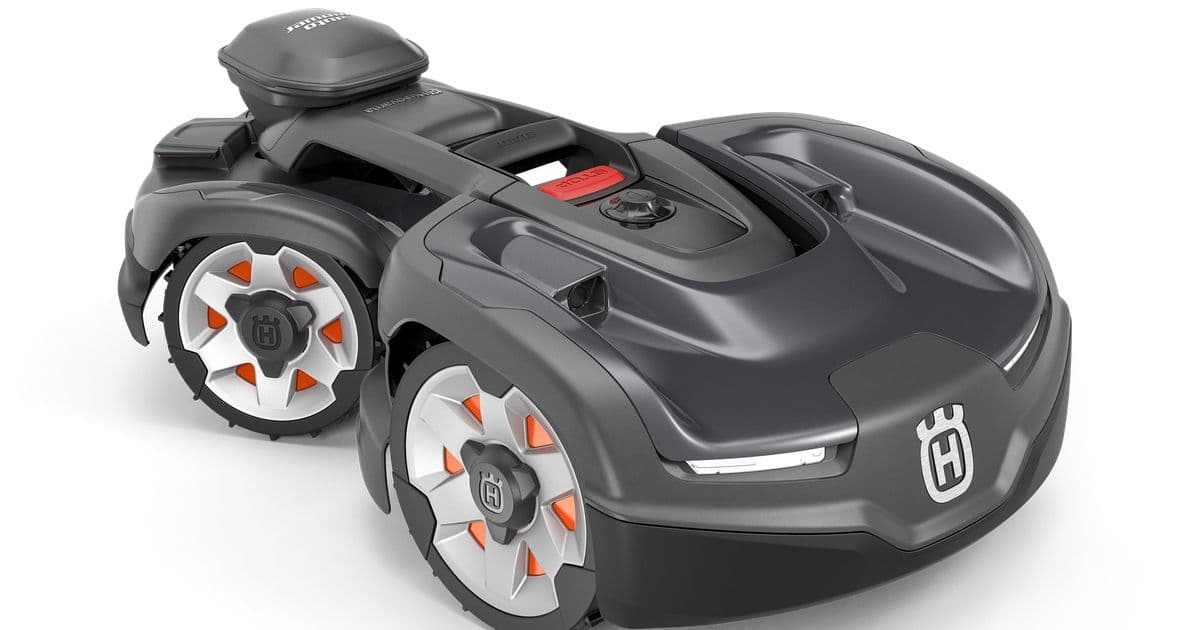
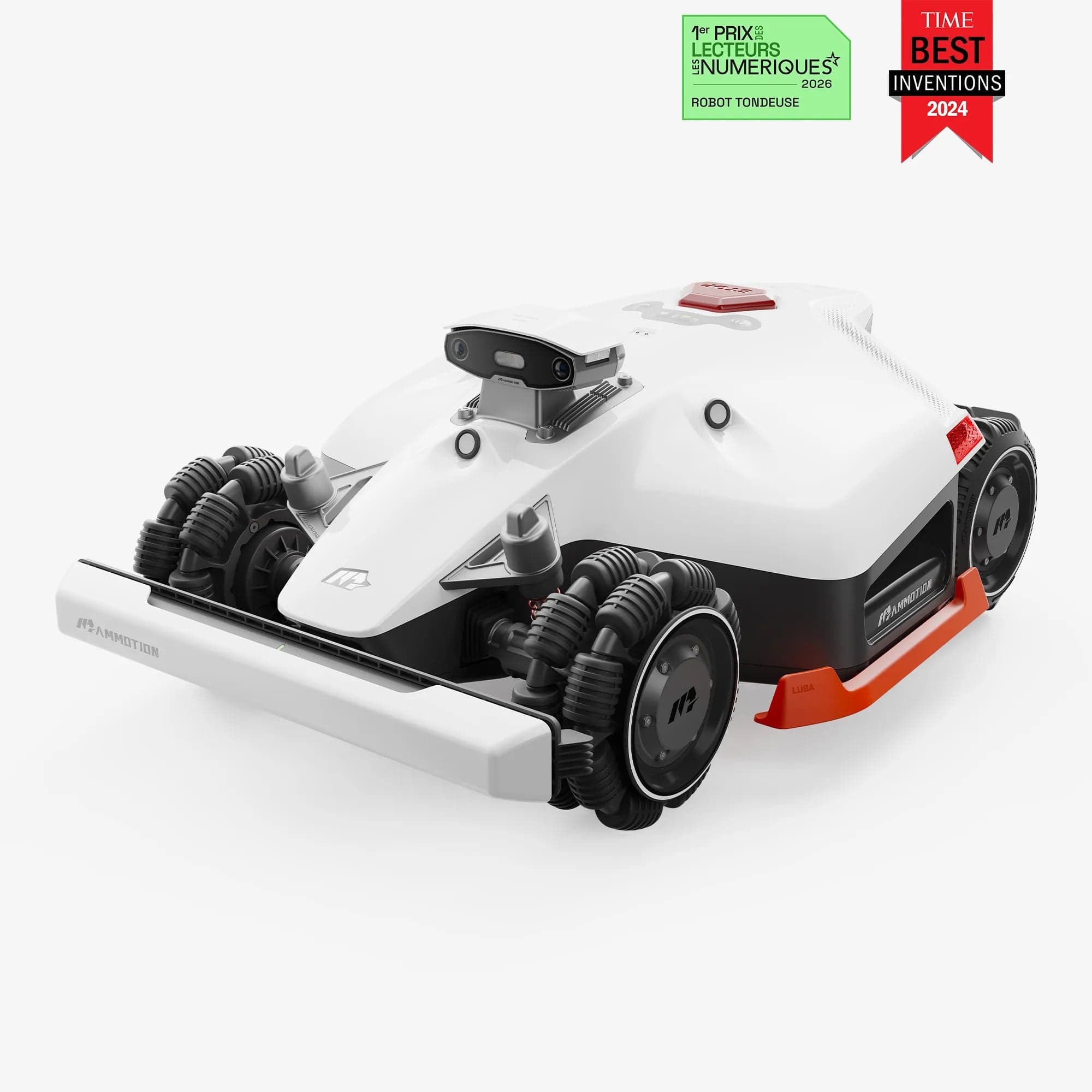
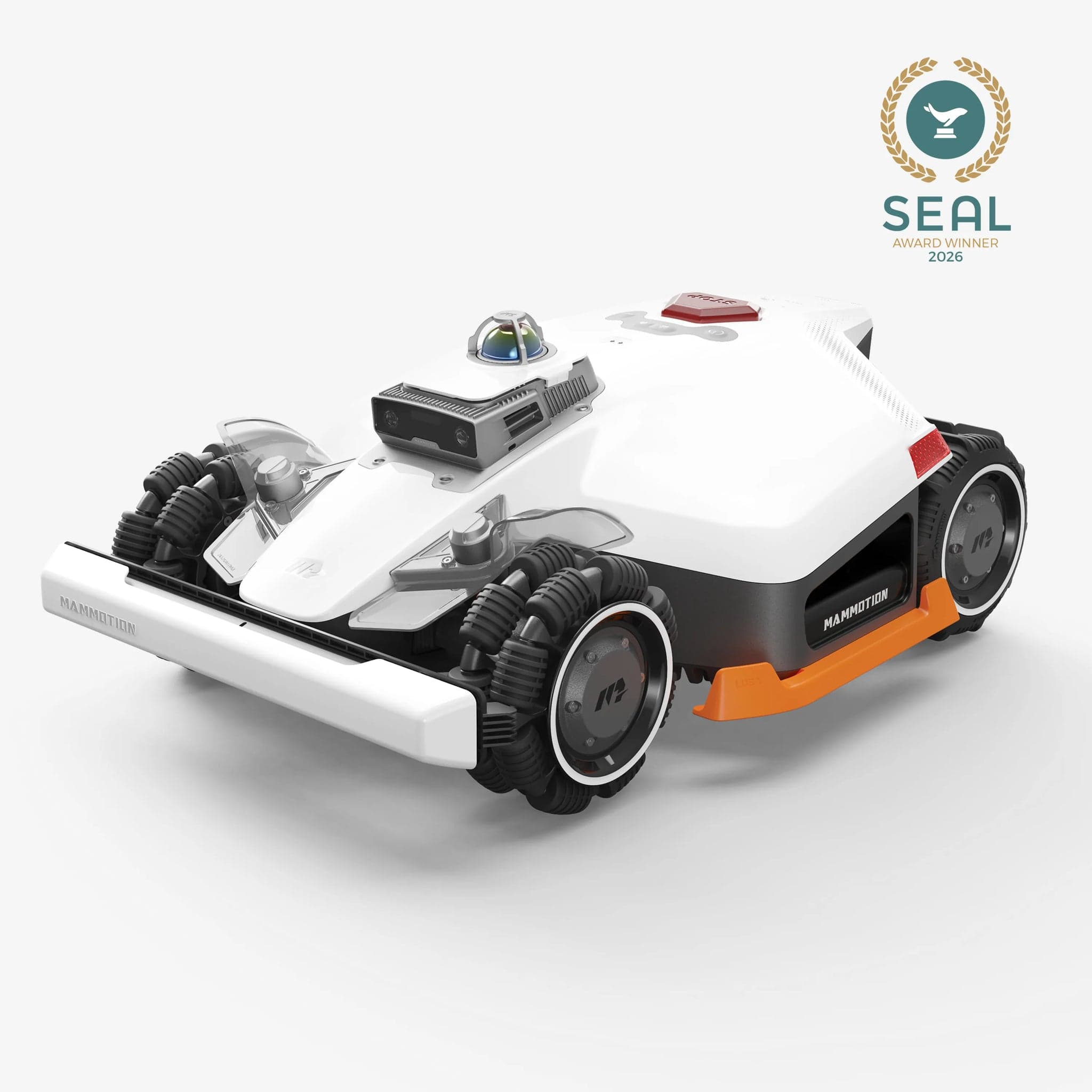
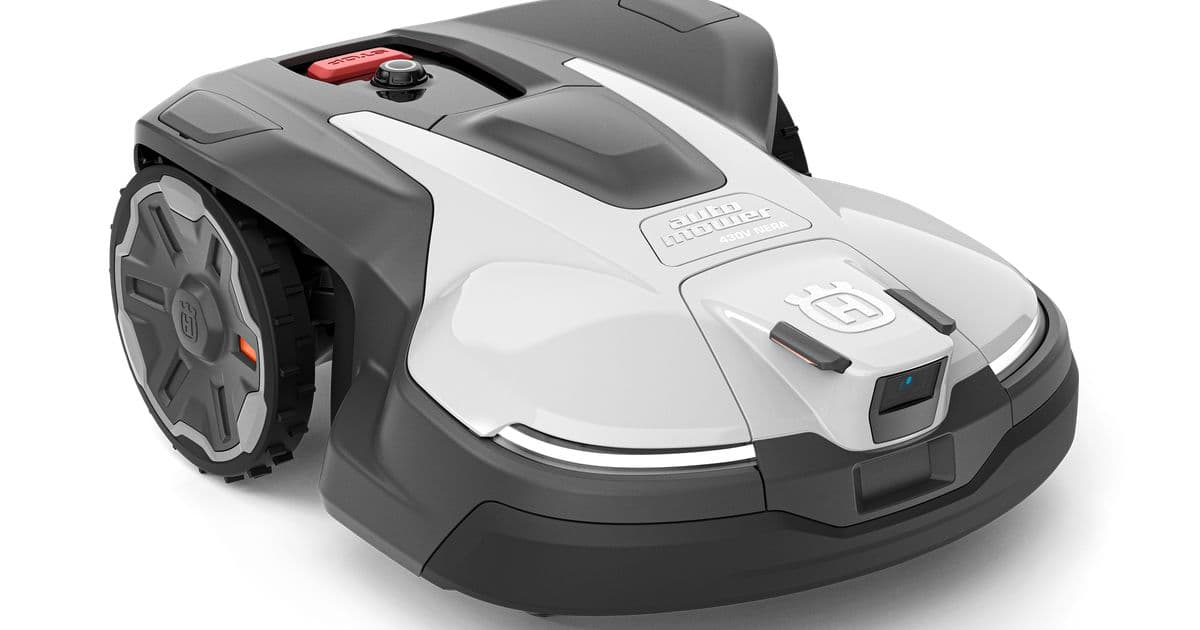
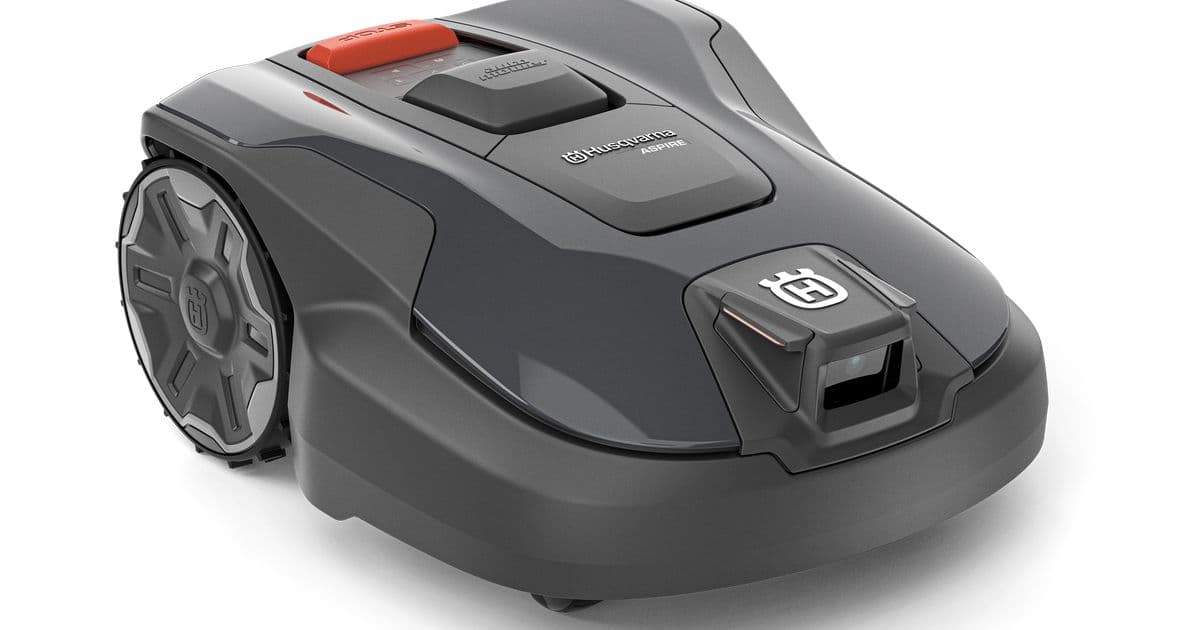
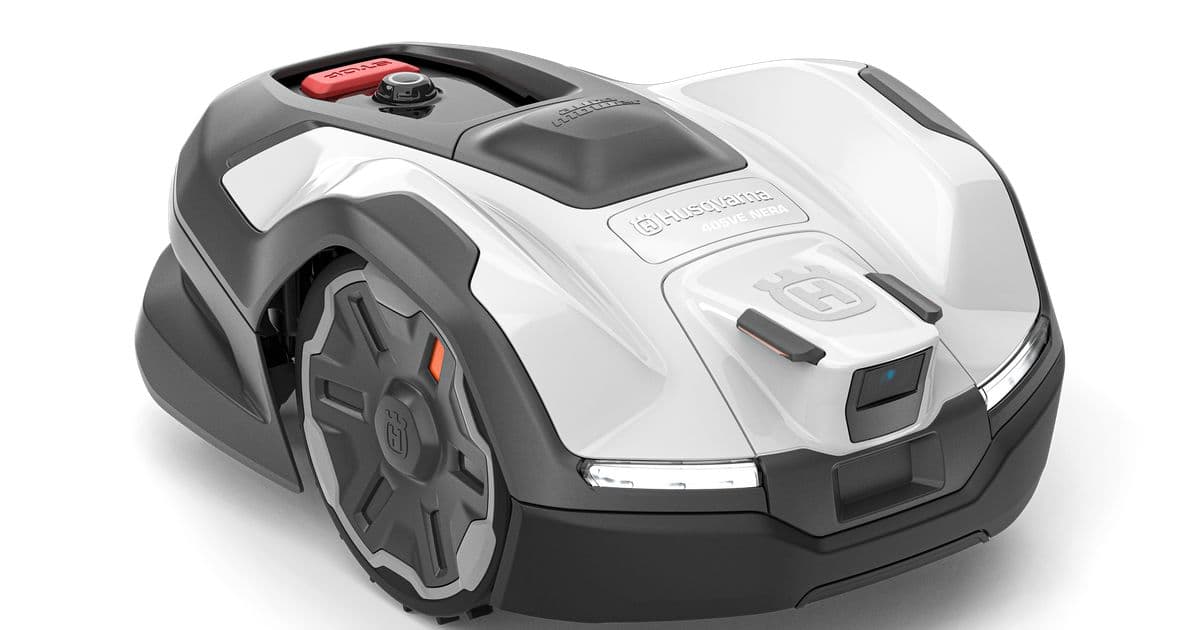
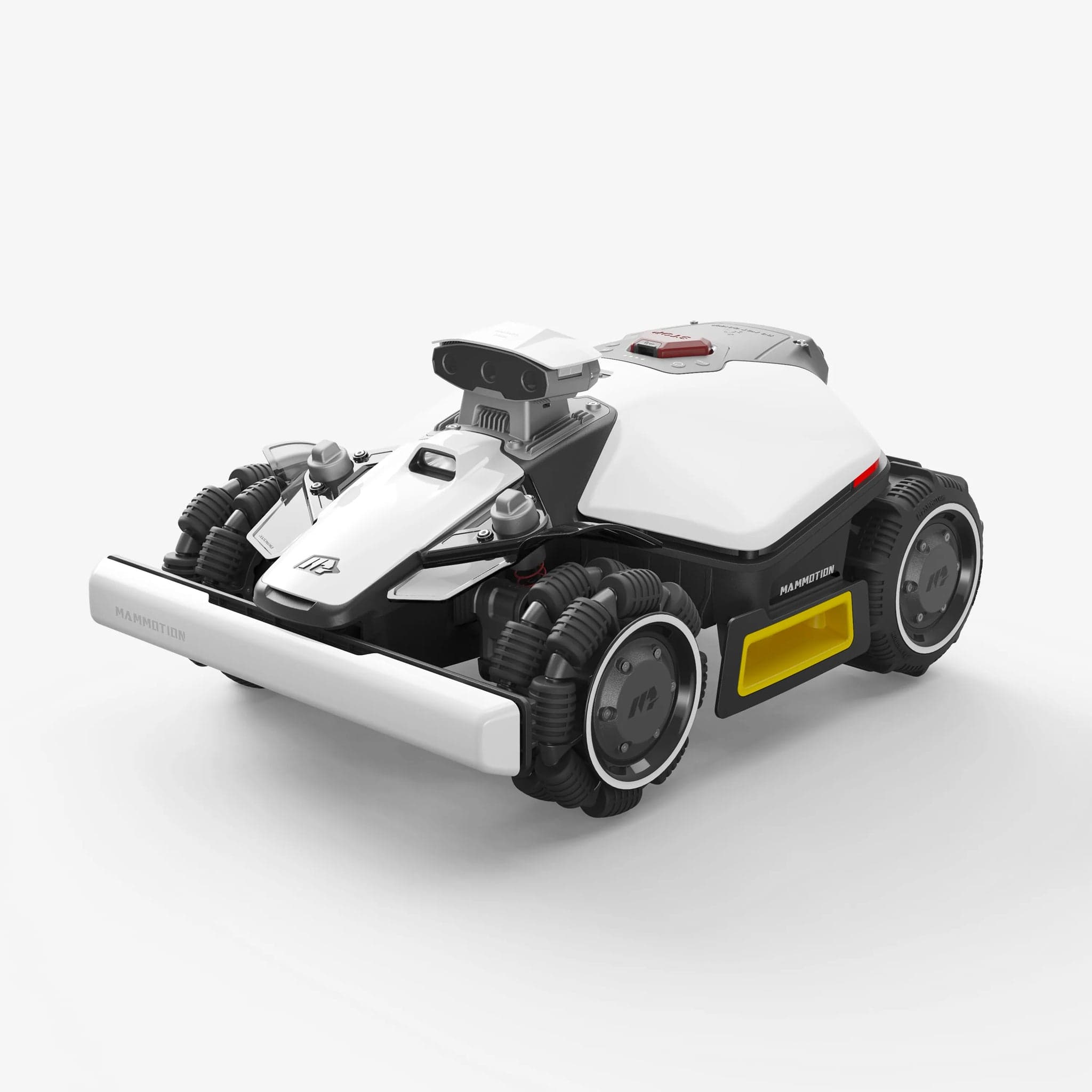
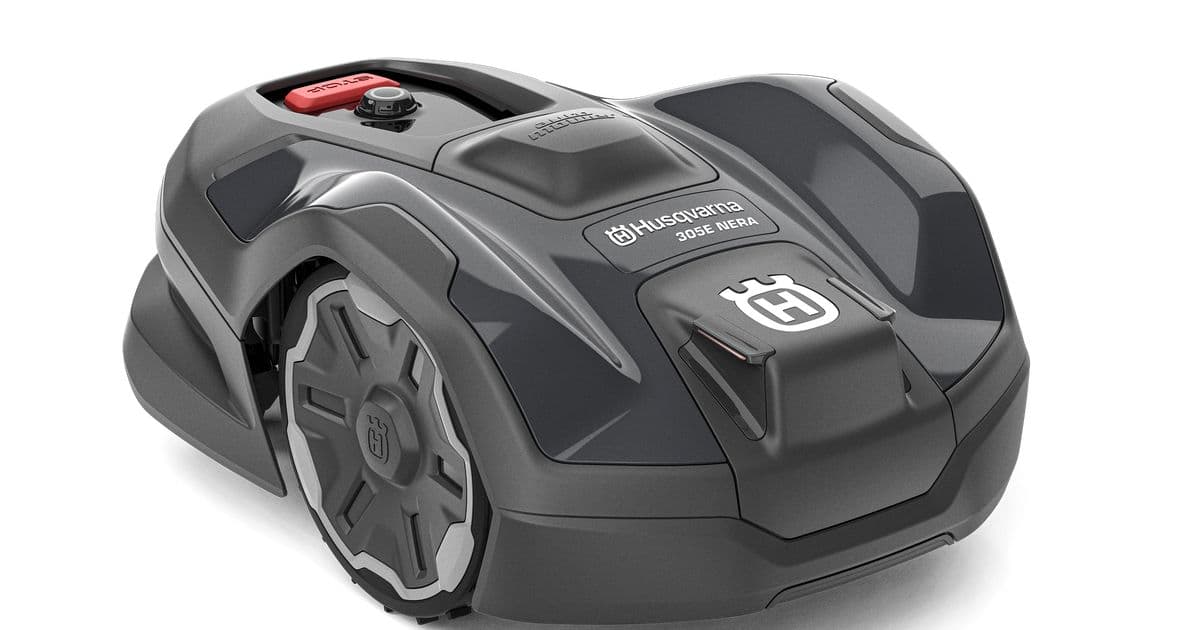
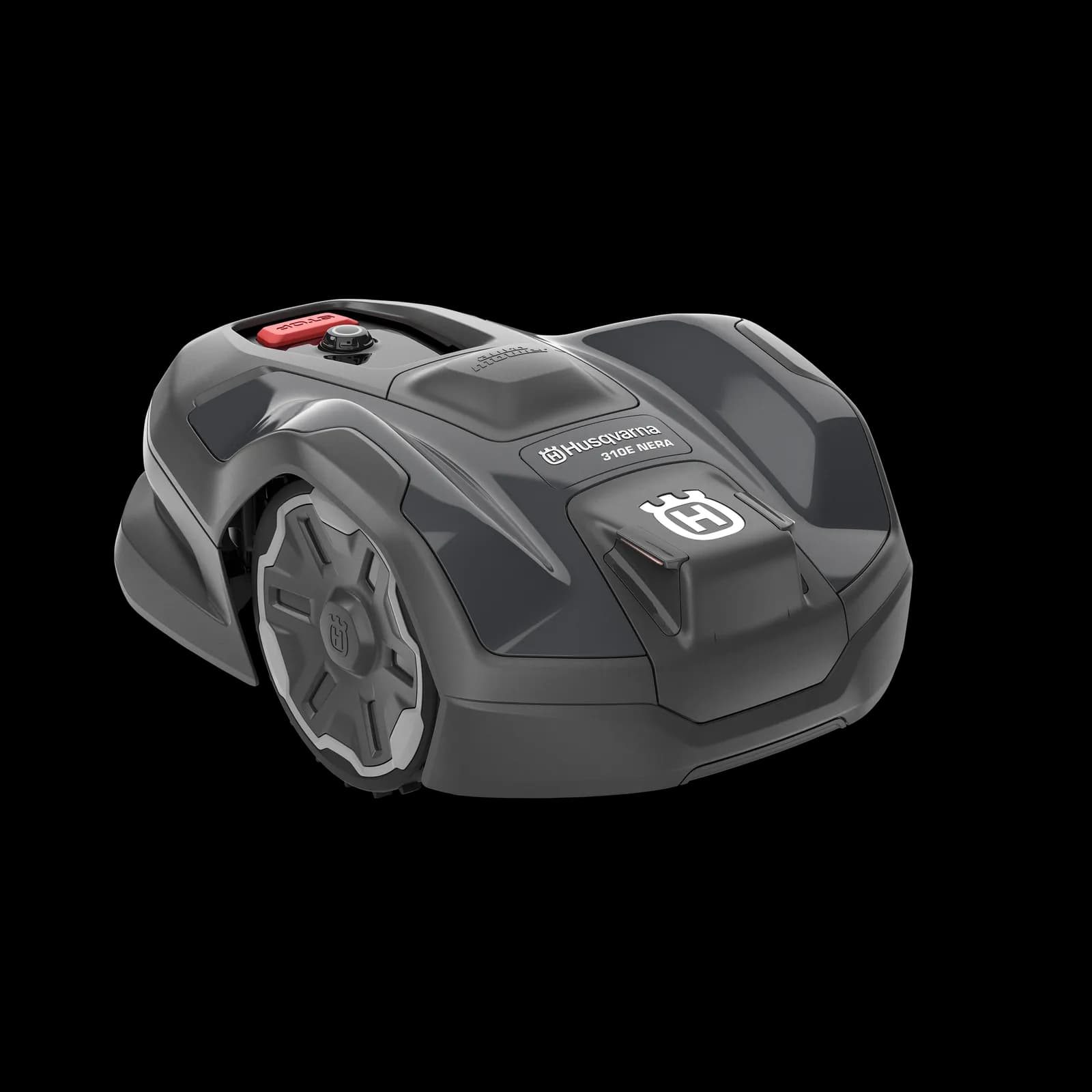
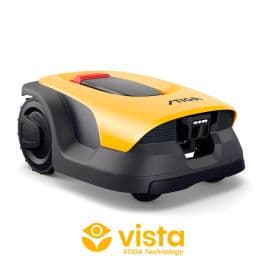
In the Mowy Lab panel, the Husqvarna Automower NERA and Stiga A 1500 are the models with the best observed reliability over two seasons: less than 2% return rate, spare parts available for more than five years, regular firmware updates. Mammotion has made strong progress on this criterion since 2025 with the opening of European hubs.
What robotic mower for 1,000 m²?+
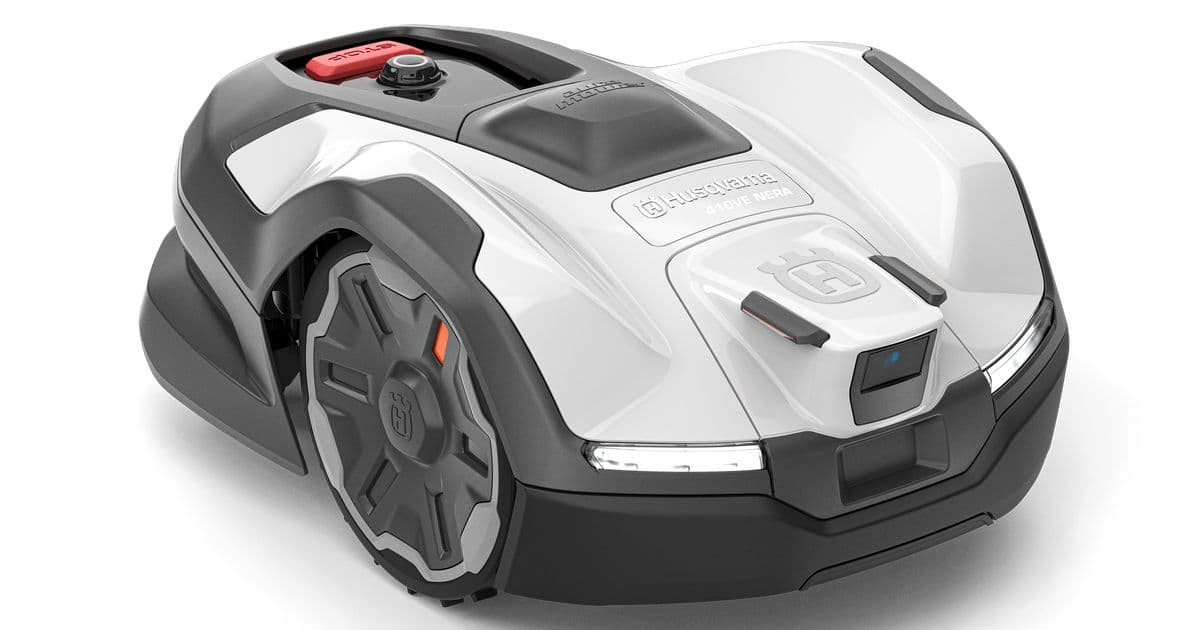
For 1,000 m², two profiles stand out from the panel: the Husqvarna Automower 410VE NERA (perimeter wire, 1,100 €, 8.7/10) for a simple garden, and the Mammotion LUBA mini 2 AWD 1000 (wireless RTK, 1,500 €, 8.8/10) for separated zones or narrow passages. The full selection is in the Top 10 1,000 m² garden tab above.
Wireless robotic mower without perimeter wire: for whom?+
RTK and AI vision models avoid wire installation and enable multi-zone mapping from the app. They are suited to complex gardens (narrow passages, multiple plots) and to the DIYer who wants to skip setup. On a flat, open terrain up to 1,000 m², the wired solution remains cheaper and just as reliable.
Do you need a shelter for your robotic mower?+
Not mandatory, the charging station is IPX4 waterproof on all tested models. But a shelter doubles the lifespan of the body and battery by limiting UV exposure and temperature swings, especially in humid climates. Count 80 to 250 € for a compatible roof shelter for all brands.
Is the robotic mower dangerous for pets and hedgehogs?+
Models equipped with lift sensors and AI vision detect a ground-level obstacle and stop the blades in less than a second. In the panel, Mammotion, Husqvarna NERA, and Stiga A include this protection as standard. The newsroom still recommends scheduling mowing during the day, never at dawn or dusk, peak hedgehog activity times.